Legal & Safety Reality Check: Privacy Tools, Compliance, and Risk Modeling
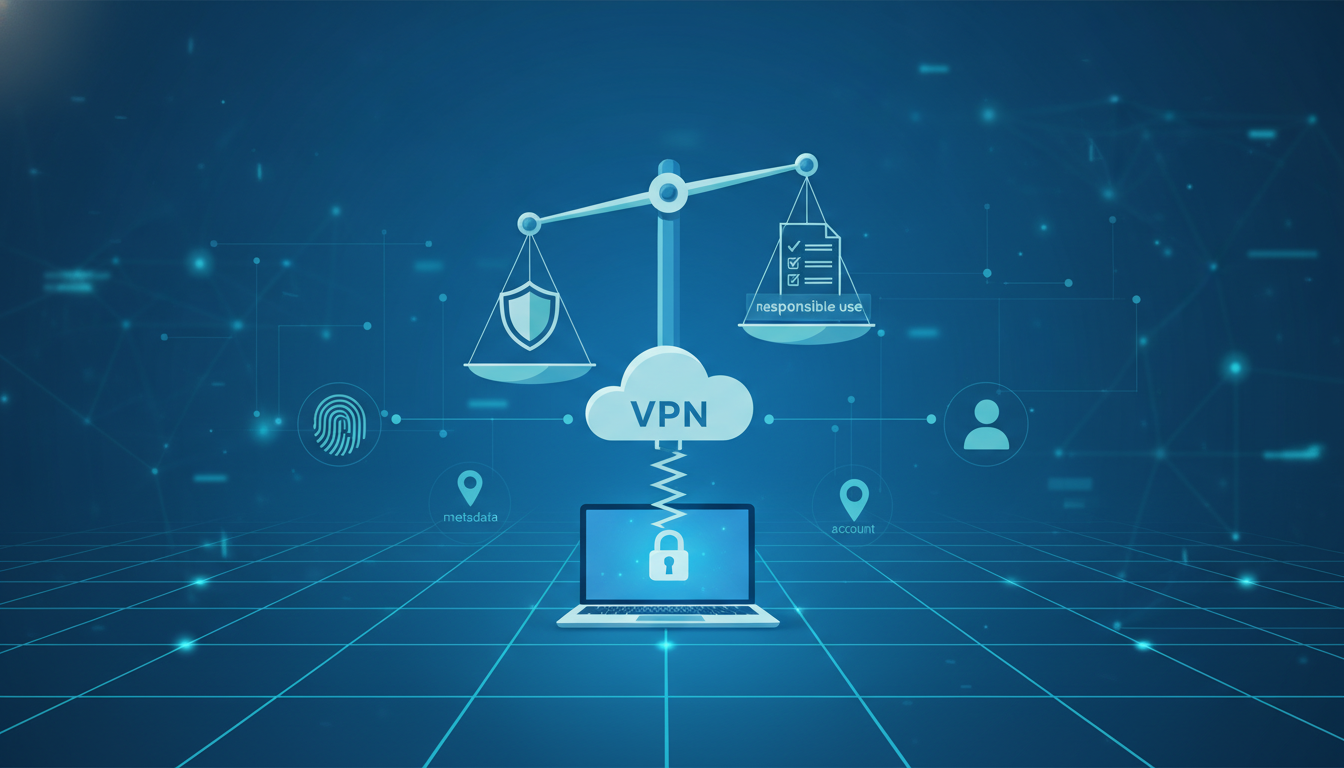
VPNs are widely used for privacy, security, and safer browsing. They are also surrounded by misinformation. Some marketing claims suggest VPNs provide total anonymity, complete invisibility, or zero accountability. That is not how VPN technology works in the real world.
If you care about privacy, the most important skill is not finding “the strongest VPN.” It is building a realistic understanding of what VPNs can protect, what they cannot protect, and how legal and policy environments shape outcomes.
This article is a reality check. It focuses on lawful use, responsible expectations, and the concept of privacy as risk reduction—not an escape from rules. A VPN is a tool. Tools can improve safety, but they do not replace judgment.
In many countries, using a VPN is legal. In others, VPN use may be restricted, regulated, or monitored. Laws also change over time. Because of this, “legal everywhere” is not an honest statement for any provider or blog to make. Users should always check local regulations and comply with them.
Even in places where VPN use is legal, policy enforcement can still exist. Schools, employers, hotels, and corporate networks may restrict or monitor VPN usage through internal rules. This is not always censorship—it is often compliance and security management.
A VPN primarily protects data in transit by encrypting traffic between your device and a VPN server. This can reduce exposure on untrusted networks and limit how much your ISP can see. However, a VPN does not delete your digital identity. If you log into an account tied to you, that service knows who you are regardless of the network path.
This is one of the most important privacy truths: encryption protects content, not identity. A user’s identity is often revealed through accounts, behavior patterns, device fingerprints, and payment relationships. A VPN does not remove those signals.
A second truth is that VPNs do not guarantee anonymity. Even if a provider retains minimal logs, other parties can still collect information. Websites can log activity. Apps can collect telemetry. Advertising systems can profile users through fingerprints and behavior. Privacy is an ecosystem problem, not a single feature.
This is why risk modeling matters. Instead of thinking “am I anonymous,” a better question is “what risks am I reducing?” For example, a VPN can reduce IP-based tracking, protect against local Wi-Fi monitoring, and limit exposure to basic network profiling. That is meaningful. But it does not make you invisible.
A responsible privacy mindset also respects boundaries. Privacy tools are not meant to violate laws, break platform rules, or enable harm. They exist to reduce unnecessary data collection and improve user safety in normal, lawful usage. Any blog claiming otherwise is promoting unrealistic and potentially risky expectations.
From a compliance perspective, it is also important to consider data handling. A VPN is a trust relationship. You route traffic through a third party, and that provider becomes part of your security model. Choosing a provider should involve evaluating transparency, technical design, and business incentives.
No-logs policies and third-party audits can improve trust, but they are not magical guarantees. Users should still assume that every online action leaves some form of trace somewhere: in device logs, in account histories, or in external platforms. The goal is minimizing exposure, not denying reality.
Another overlooked safety factor is user behavior. If someone uses a VPN but keeps the same browser fingerprint across sessions, signs into the same accounts everywhere, and allows unrestricted trackers, their privacy improvements are limited. Technology helps most when paired with smarter habits.
The best privacy setups are often simple: a reputable VPN, consistent settings, a clean browser profile, and minimal tracking exposure. Complex stacks may look impressive, but they can create new failure points and false confidence. Simplicity is often the real security feature.
Finally, it is worth acknowledging that “privacy” means different things to different people. For some, it is avoiding profiling and advertising. For others, it is protecting work connections, preventing Wi-Fi interception, or reducing metadata exposure. A good privacy strategy starts with defining your goals and choosing tools accordingly.
If you approach VPN usage as risk reduction, legal compliance, and realistic boundaries, you will get the true benefits of privacy technology without falling into marketing myths. In 2026, the strongest privacy advantage is not secrecy. It is understanding what systems measure—and controlling what you unnecessarily expose.
Disclaimer: This article is for educational purposes only and discusses lawful, responsible privacy practices. It does not provide instructions for bypassing restrictions or violating laws or terms of service.