
Obfuscation Explained: What It Is (and What It Isn’t)
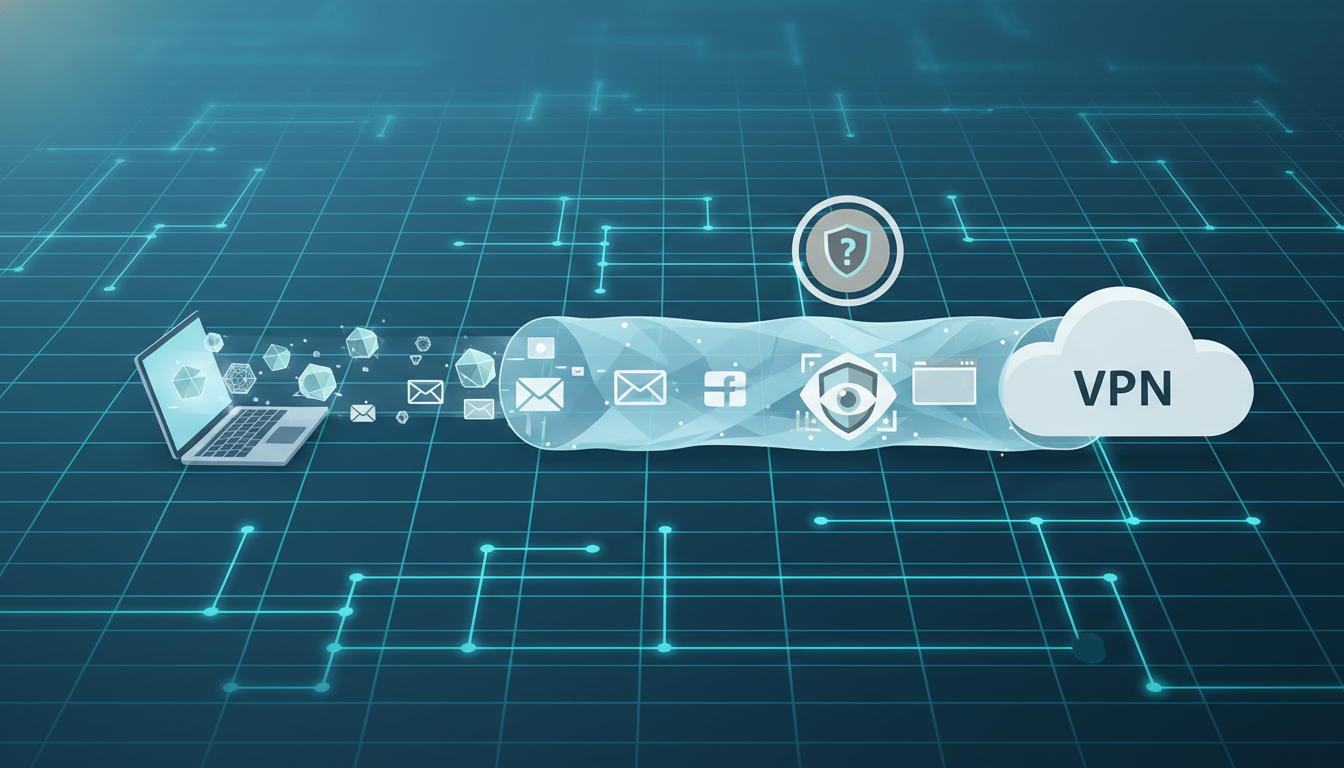
In privacy discussions, the word “obfuscation” is often used as if it is a magic feature. Some people assume it means stronger encryption. Others believe it makes VPN traffic invisible. In reality, obfuscation is neither.
Obfuscation is best understood as a traffic camouflage layer. It does not make your data more encrypted. It changes how encrypted traffic appears to observers so it is less likely to be classified, flagged, or treated as unusual. This distinction matters, because classification is often the trigger for restrictions.
To understand why obfuscation exists, you need to understand the difference between encryption and detection. Encryption protects content from being read. Detection systems often do not need to read content. They look for patterns: protocol shapes, handshake behavior, metadata, and flow characteristics.
This is why a VPN can be fully encrypted and still be easy to identify. Encrypted does not mean invisible. Encrypted only means unreadable.
Obfuscation attempts to reduce the visibility of VPN-like patterns. Instead of exposing a recognizable handshake or tunnel behavior, the connection is wrapped or transformed so it resembles something more common. The goal is blending into expected traffic.
Importantly, obfuscation is not the same as “being anonymous.” A connection can be obfuscated and still be tracked through other signals, especially if the user remains logged into personal accounts or carries a consistent browser fingerprint. Obfuscation targets traffic classification, not identity.
Another common misconception is that obfuscation automatically increases security. Security depends on encryption quality, key management, and implementation correctness. Obfuscation may make traffic harder to classify, but it does not replace strong cryptography or secure operational practices.
In many environments, VPN traffic is detected using a layered approach: IP reputation, traffic heuristics, handshake fingerprints, and policy enforcement. Obfuscation primarily targets the fingerprinting layer. It helps when detection is based on protocol patterns rather than strict IP blocking.
However, obfuscation has limits. If a network blocks known server IP ranges, camouflage may not help. If a system uses behavior-based scoring or aggressive filtering, obfuscation may reduce suspicion but not guarantee stability. This is why the word “guarantee” does not belong in serious privacy discussions.
Obfuscation can also come with performance trade-offs. Wrapping traffic can add overhead, increase latency, and reduce throughput. The more layers involved, the more processing is required. For users, this may show up as slightly slower speeds or longer connection times.
It is also possible for obfuscation to increase detectability in some contexts. If a camouflage layer behaves differently than normal traffic at scale, it can become its own signature. This is a constant cat-and-mouse dynamic in network classification.
A realistic way to view obfuscation is as a tool for connection reliability in constrained networks, not as a universal privacy upgrade. It helps certain VPN implementations behave more like normal traffic, but it does not erase metadata, eliminate correlation, or hide user identity on its own.
For most users, the best outcome is not “perfect stealth.” It is consistent, lawful access to privacy protections without interruptions. In that sense, obfuscation can be valuable when used responsibly and understood correctly.
The most important lesson is this: privacy tools work best when users understand what each layer does. Encryption protects content. Obfuscation reduces classification visibility. Neither one changes what happens when you identify yourself through accounts, behavior, or tracking signals.
Obfuscation is not a promise of invisibility. It is an engineering strategy to reduce traffic fingerprinting. When framed honestly, that makes it a legitimate and useful concept in modern VPN technology.
Disclaimer: This article is for educational purposes only and discusses lawful, responsible privacy technology concepts. It does not provide instructions for bypassing restrictions or violating laws or terms of service.